AI
15 posts in this category
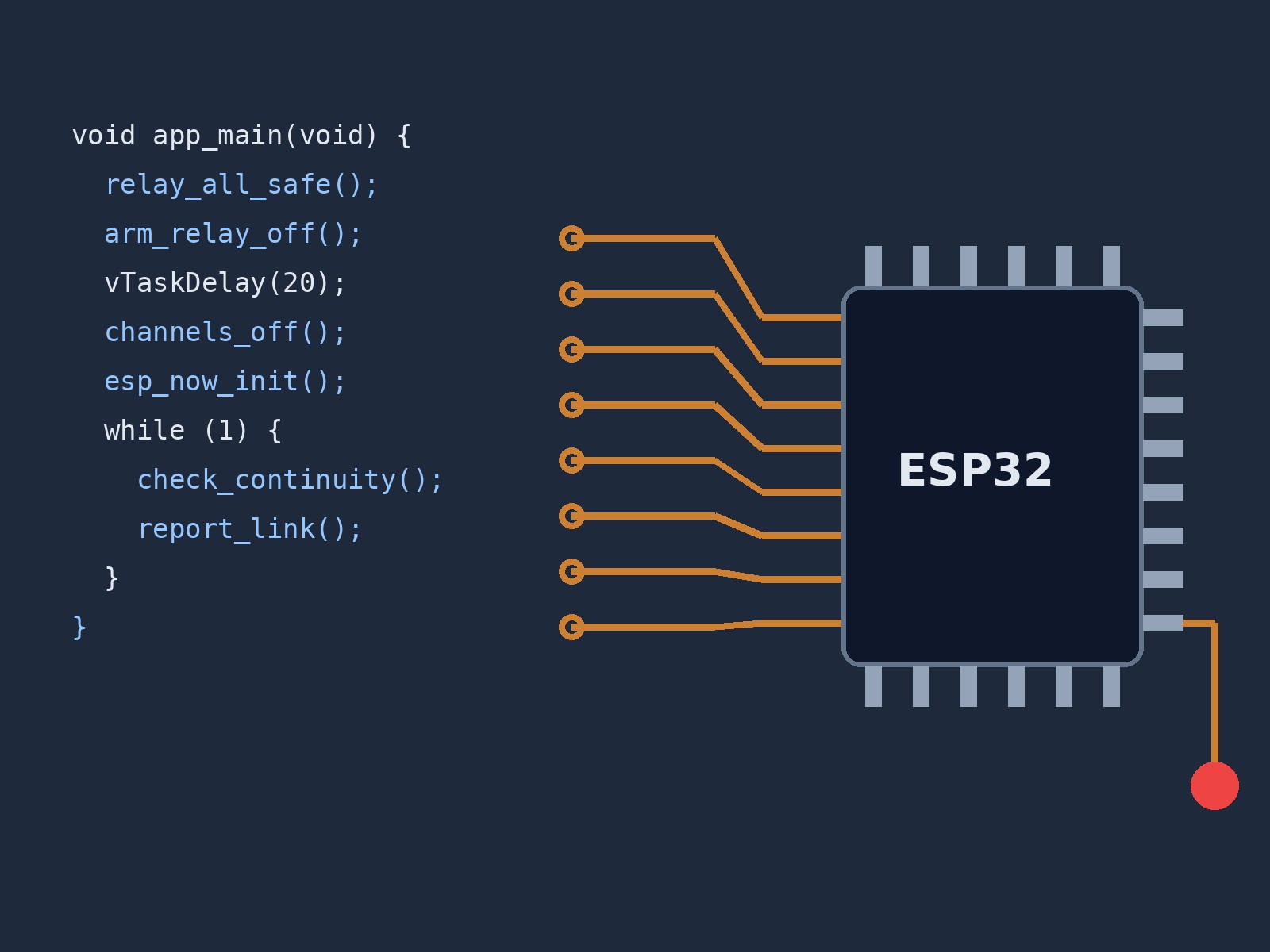
AI that writes code is old news. This is what it does for me once that code has to drive real electronics: firmware, testing over USB, parts and schematics, measurements and old hardware, and where it …
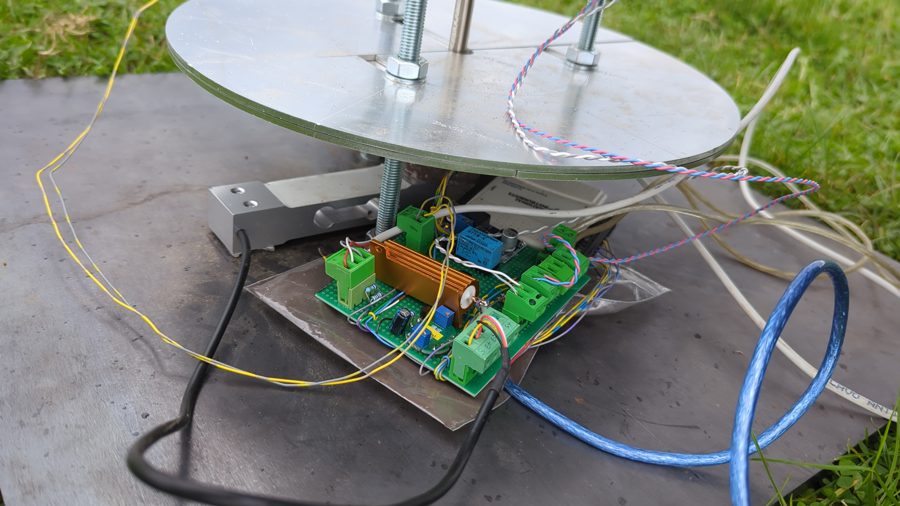
A Python data logger for static motor tests on an old NI USB-6009: thrust, chamber pressure, break wires and igniter current, in the order a test day runs. Successor to my 2008 and 2010 test …
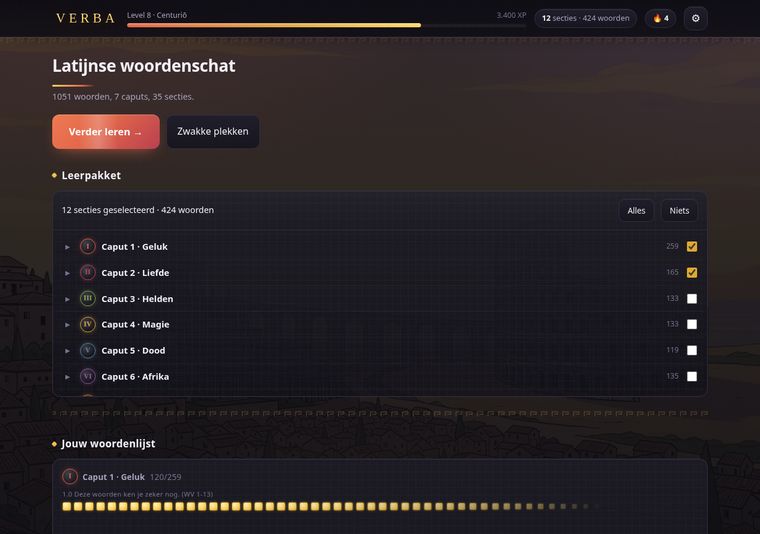
Verba, a Latin vocabulary trainer for my son’s 1051 words, in a single HTML file that runs from a USB stick without a network. How the word list was built and how the learning engine works.

How the wireless launch controller works inside: the functional design, firmware architecture, the full list of safety measures, the encrypted radio protocol, sensing and how it was tested.

A two-unit wireless rocket launch controller for VRO, built on ESP32-S3s with an encrypted radio link, and the case for why done properly it is safer than a long firing cable.
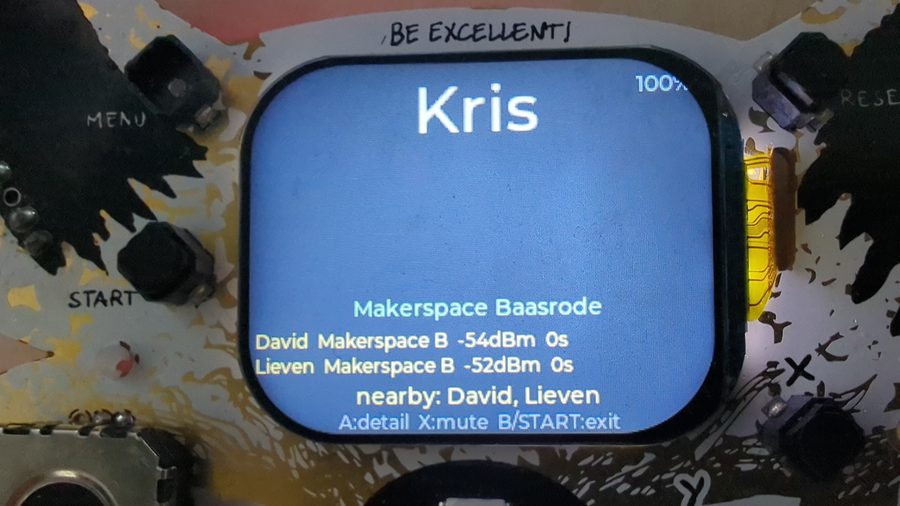
A Fri3d Camp 2026 badge app that tells you when your friends are nearby over Bluetooth, swaps contact details with a button press and is set up from a phone. It also has a camp-wide game of Gotcha.

How I went from an idea to a published Fri3d Camp 2026 badge app in an afternoon with AI-assisted coding, step by step, so you can do the same.
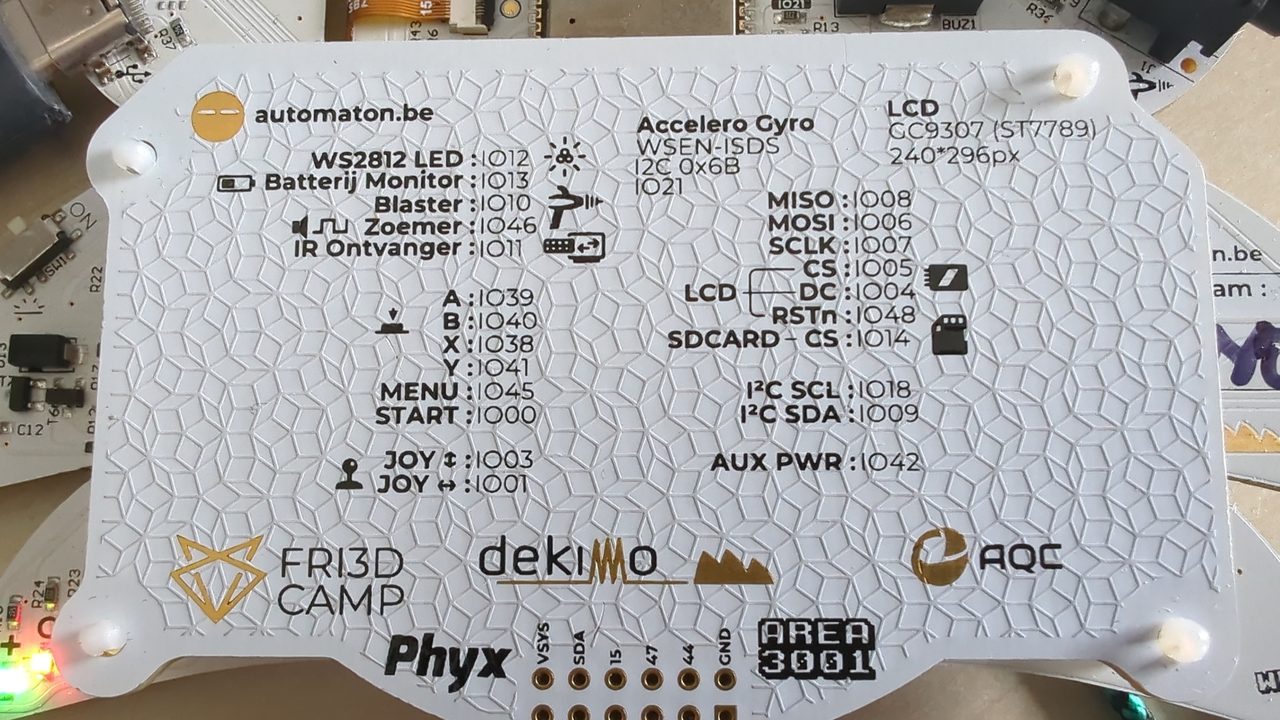
A hands-on guide to writing your own apps for the Fri3d Camp 2024 badge with Claude Code: backing it up, the firmware model, MicroPython and a real app with the fri3d framework.

Home Assistant sensors for the five-hour and weekly usage limits of my Claude and z.ai coding plans, including reverse-engineering the z.ai API and a dashboard.
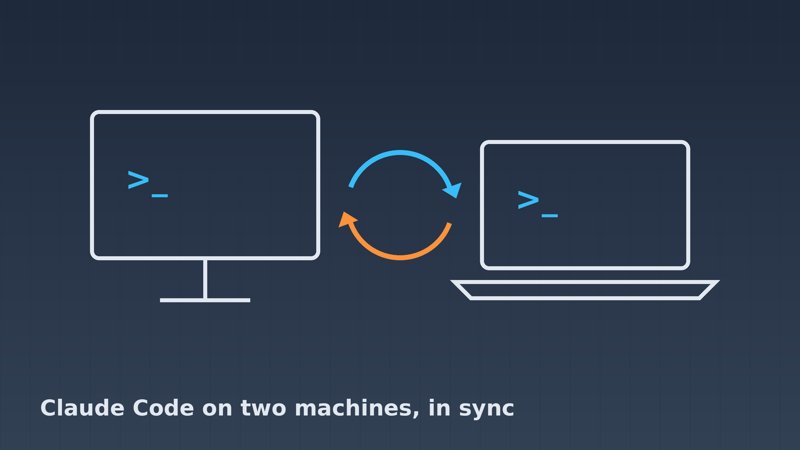
Keeping Claude Code’s settings, skills and project context in sync between a desktop and a laptop with a Synology NAS, symlinks and Syncthing, plus split changelogs.
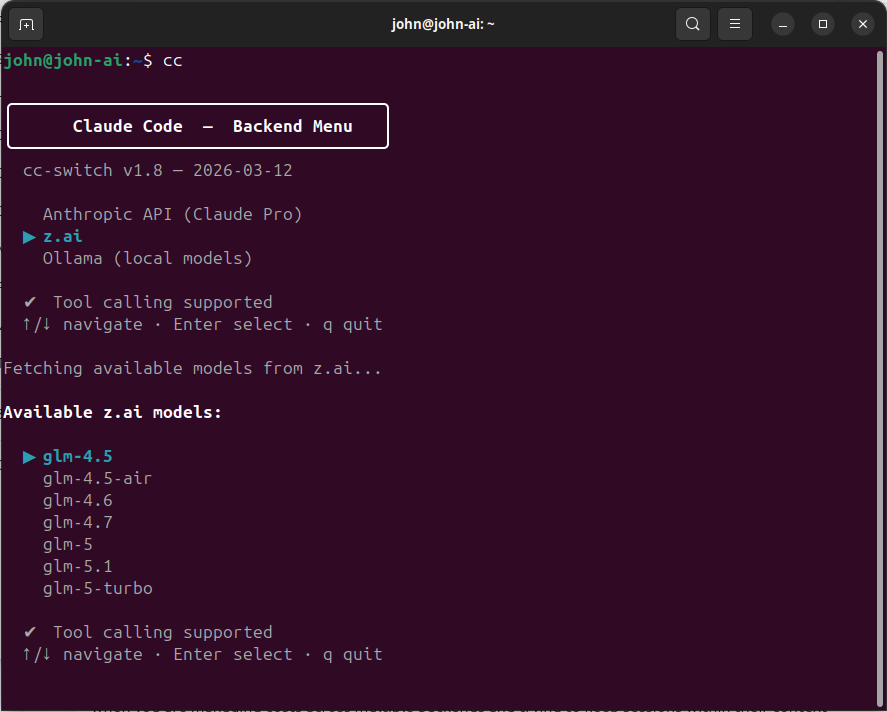
Why I moved from pasting into ChatGPT to an AI toolkit that does the work: Claude Code in the terminal, cheaper GLM models from z.ai, plan and API pricing compared, and a switcher between backends.
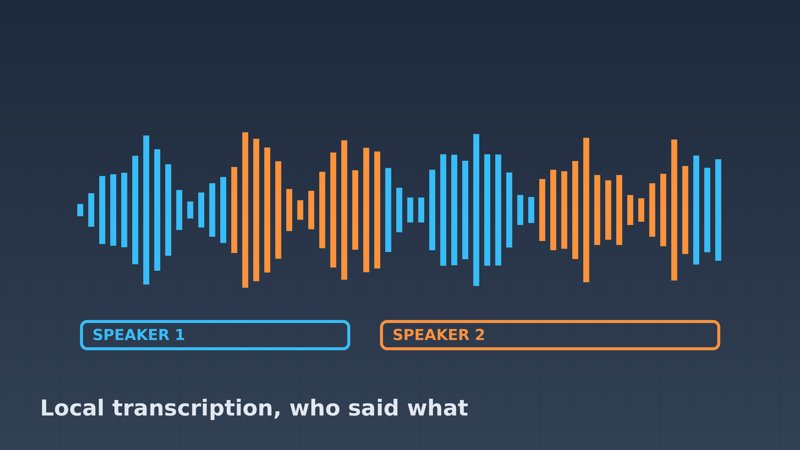
A Docker container on an RTX 3090 that transcribes audio locally with Whisper, labels who said what, fixes names with an LLM pass and can write a summary. No audio leaves the machine.
The Claude Code setup I settled on after months of daily use: a dedicated machine, config synced across computers, a model selector for three backends, session recording and a custom status bar.

The hardware and software behind running 32B language models at home: why VRAM decides everything, the full build, Ollama, tuning from 5 to 35 tokens per second, and how well it actually works.

How Claude Code brought this site back after eleven quiet years: moving from Nanoc to Hugo and Blowfish, migrating every post, keeping old URLs working, and deploying.