Rocketry
10 posts in this category
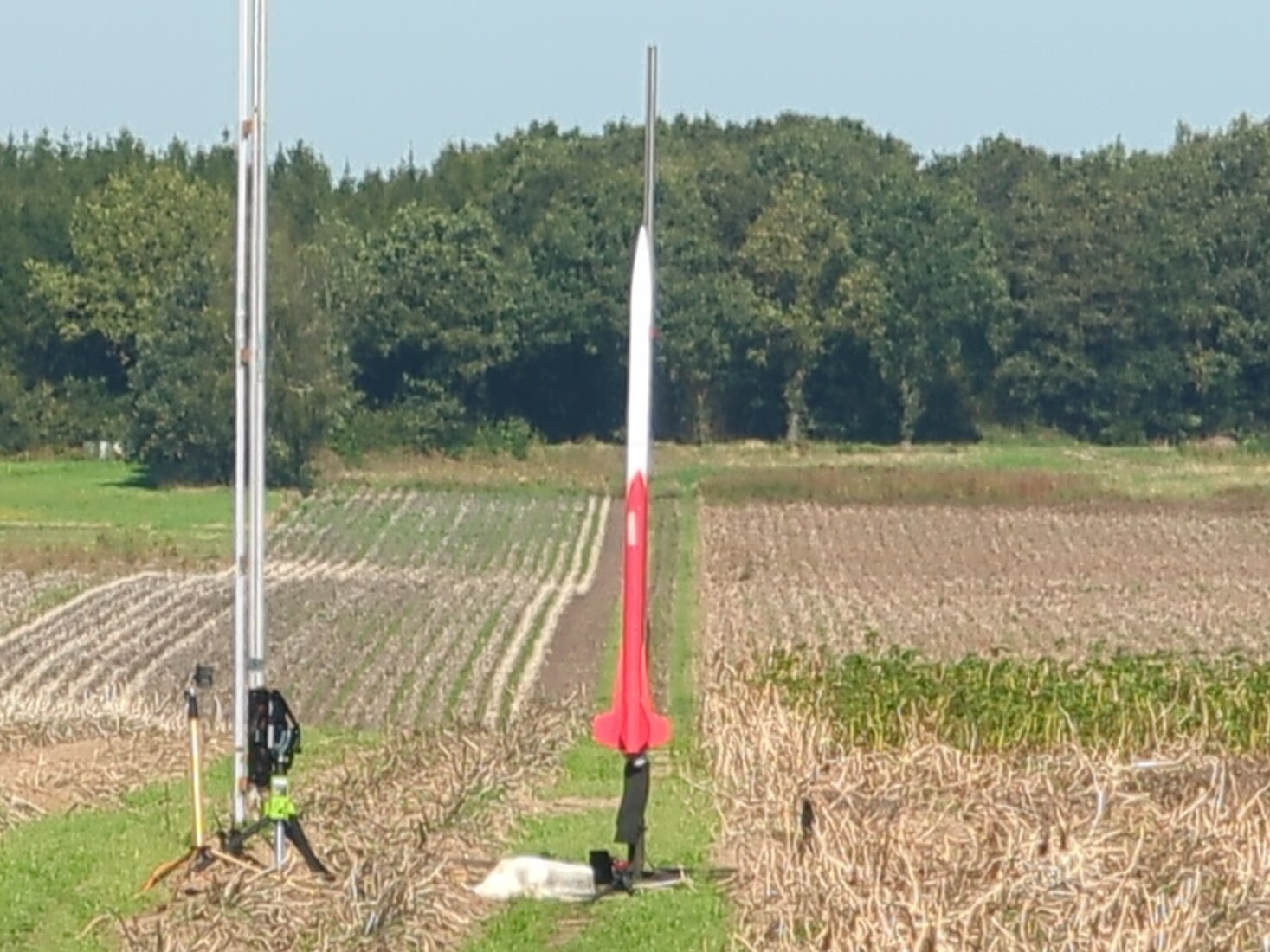
On September 27, 2026, I flew my PML Intruder on a J motor at the Tripoli The Netherlands launch site near Exloo, and passed my Tripoli Level 2 certification. It’s the same rocket that got me my …
In 2008 I built a load cell amplifier to capture the thrust curve of a rocket motor. It was a PIC with a 10-bit analogue-to-digital converter and an INA125 instrumentation amplifier, it enumerated as …

In the previous post I showed you the wireless rocket launch controller I built for VRO — two ESP32-S3 units, an encrypted radio link, and a handful of relays between an operator’s thumb and a …

The last time I built launch electronics for a rocket, it was 2008 and the brain of the thing was a PIC16F88 running a four-channel flight timer. Eighteen years later I found myself building something …
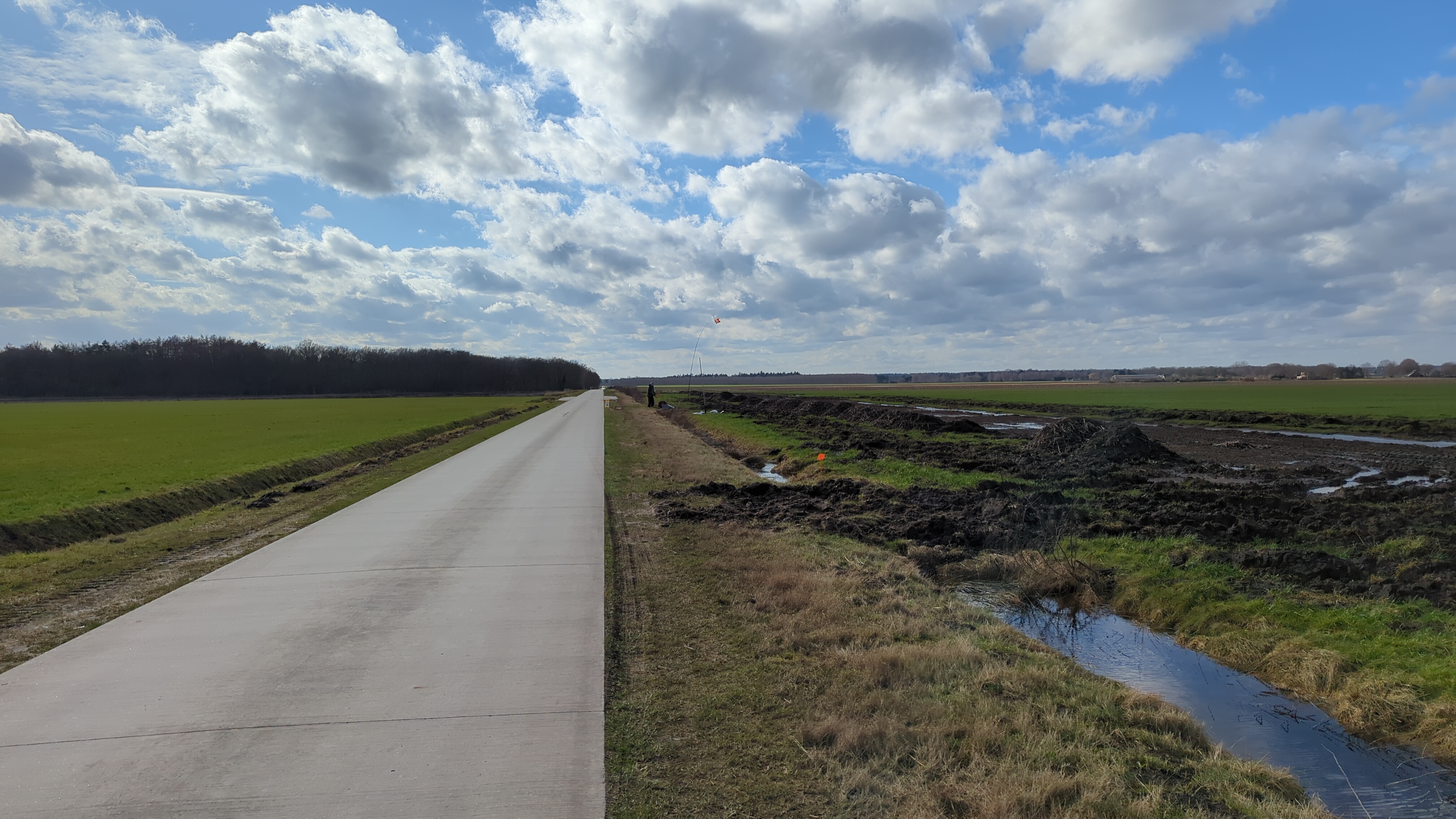
After months of preparation, I successfully completed my Tripoli Level 1 high-power rocketry certification on March 1, 2026, at the Tripoli The Netherlands launch site in Exloo. This post documents …
This is a report of the third firing of the Ballistic Evaluation motor constructed by the Vlaamse Raket Organisatie (VRO). During the second firing a number of issues surfaced, which were since …
The previous tests with the Ballistic Evaluation Motor (BEM) failed because the motor failed to ignite. To avoid ignition problems it was decided to increase the throat diameter from 2 or 3mm to 6mm. …
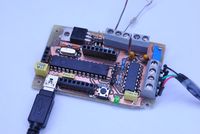
Deze pagina beschrijft de ontwikkeling van een geïntegreerd meetsysteem voor statische motorttesten. Deze electronica interfacet met de Ballistische Evaluatie Motor, leest hier de meetwaarden uit en …
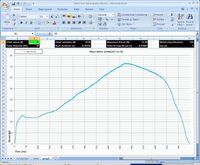
This page describes the construction and operation of a device for testing rocket motors. It allows the recording of the thrust generated by the motor during a static test. The recorded data is then …
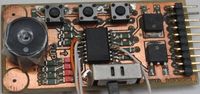
This is a compact, programmable 4-channel rocket timer, based on the Microchip PIC 16F88 microcontroller. It features accelerometer or reed switch lift-off detection and 4 pyro channels that can be …